







Search Results for: consistent output
The Cafe Owner's Espresso Bean Shopping List: How to Pair Four Blends for Maximum Peace of Mind
For opening a coffee shop, espresso beans are the ingredient used in the largest quantity and have the greatest impact on product consistency. Choose wrong, and either costs spiral out of control or your drinks lack distinction; choose right, and a single machine can support most of the menu. Today, from the perspective of a shop owner, let's clearly explain the positioning and pairing plans for Front Street Coffee's four espresso blends. First, let's clarify: [more…]
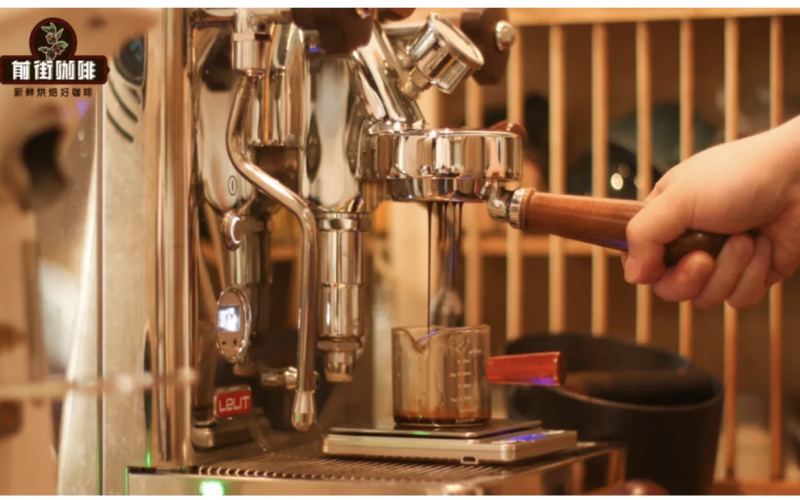
Bean pairing ideas for a coffee shop's espresso line
An espresso line at a coffee shop typically accounts for over 70% of total drink output. The quality of core beverages like Americano, latte, cappuccino, and Dirty largely depends on whether the right beans are chosen. The mature approach to bean selection for an espresso line is a "base blend + specialty blend" combination: one stable base bean to support [more…]

Dear, how to choose the right staple beans for an espresso machine: how to make a consistently good cup of coffee
First, determine the drinking scenario, then talk about choosing beans: a cup of black coffee in the morning and a milk coffee with breakfast are two different needs, and slow sipping with pour-over versus quick output from a machine are two different rhythms. Roast level, flavor intensity, and brewing method all change with the scenario. The core of espresso extraction is the mutual constraint among several parameters: dose, grind size, liquid weight, and yield. [more…]
How to Choose Commercial Beans for a Coffee Shop? Black Cocoa Blend vs. Commercial Blend Comparison
Opening a coffee shop—beans are a very important part of the cost structure. Choose well, and your output stays consistent and customers are satisfied; choose poorly, and either costs spiral out of control or your reputation takes a hit. Front Street Coffee has two common commercial beans: Dark Cocoa Blend and Commercial Blend. Both focus on value for money, but their positioning is slightly different. Today we put them side by side [more…]

Front Street Signature Blend: A classic flavor used in stores for nearly a decade
Some coffee beans attract people with gimmicks, while others prove their strength over time. Front Street Coffee's specialty blend belongs to the latter—Front Street stores have used it for nearly a decade, and most of the Americanos and espresso lattes served every day are made with it. Being able to stay consistent under high-frequency output is itself a reflection of real strength. The core bean used in stores is [more…]

Coffee Shop Espresso + Pour-Over Dual-Line Bean Selection Plan
A well-established coffee shop usually needs to manage two product lines simultaneously: the espresso line and the pour-over line. The espresso line handles daily cup volume and revenue, while the pour-over line showcases professionalism and increases the average transaction value. The two lines use different bean strategies, but both require careful configuration. Espresso line: stable output, controlled costs, memorable highlights [more…]
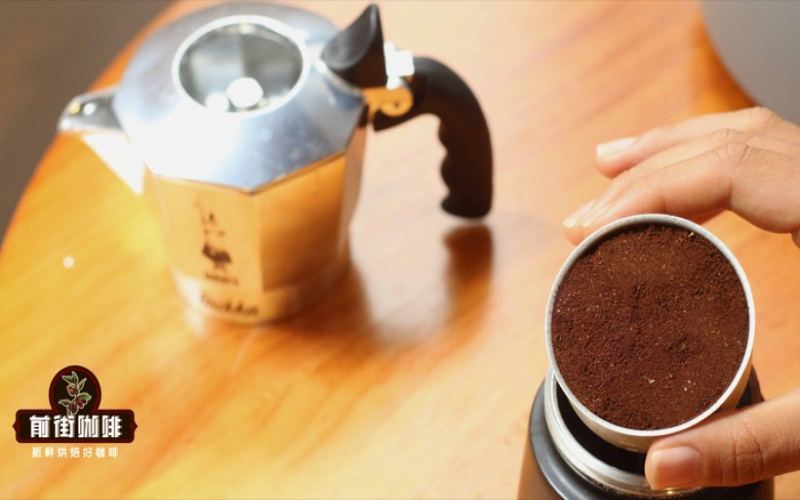
Recommended Coffee Beans for Moka Pot: A Bean Selection Method for Everyday Drinkers
When you first start buying beans, you don't need to chase a wide range of flavors all at once. A more practical approach is to start with a bean that has a clear flavor profile and pairs well with a variety of brewing methods, then lock in your dose, grind, and water temperature and observe how the entry, sweetness, and finish change. This way you can build your own taste reference. The moka pot relies on steam pressure. [more…]
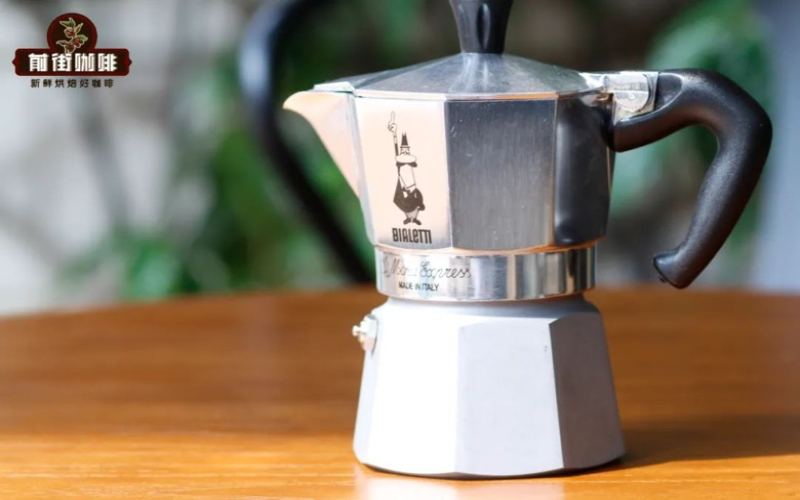
Low-Acid Dark Roast Moka Pot Espresso Coffee Beans: Choose Based on Taste Preference and Equipment Conditions
Change the equipment, and the way beans express themselves changes too. For pour-over, the scoring criteria are aroma and clarity; for espresso machines, they are intensity and sweetness; for a moka pot, you have to balance pressure, heat, and the state of the coffee bed. So before choosing beans, first decide what equipment you'll use, then fine-tune the brewing parameters according to the roast level. As a steam-pressure extraction device, the moka [more…]
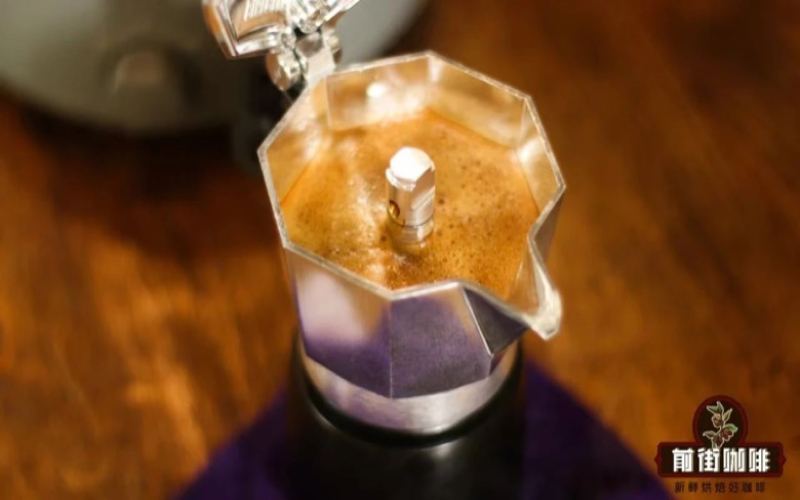
What Heat Should You Use for a Moka Pot? Coffee Bean Recommendations: A Bean Selection Method for Everyday Drinkers
When you first start buying beans, you don't need to chase a wide range of flavors all at once. A more practical approach is to first choose a bean with a clear flavor profile and high compatibility with different brewing methods, then lock in your dose, grind, and water temperature, and observe how the entry, sweetness, and finish change. This way you can build your own taste reference. The moka pot relies on steam pressure [more…]

Introduction to the varieties in the Kona coffee producing area in Hawaii, USA.
As we all know, coffee is generally grown in the coffee growing zone, that is, the equatorial zone between the north and south tropic lines. However, the United States is not in this range, and the climate conditions are not very suitable for the gro [more…]
Three-tier bean configuration for coffee shops: main lineup, everyday value, and specialty picks
When opening a coffee shop, choosing beans is always the unavoidable lesson. New owners easily fall into two extremes: either they only pick the most expensive ones, and costs become unmanageable; or they only look at price, and the quality and reputation of the drinks suffer. A mature approach is tiered pairing: one main bean as the base, one everyday bean to control costs, and one specialty option for differentiation. Each [more…]
How to Choose SOE Coffee Beans: Picking the Right Beans for Black Coffee, Milk Coffee, and Iced Drinks
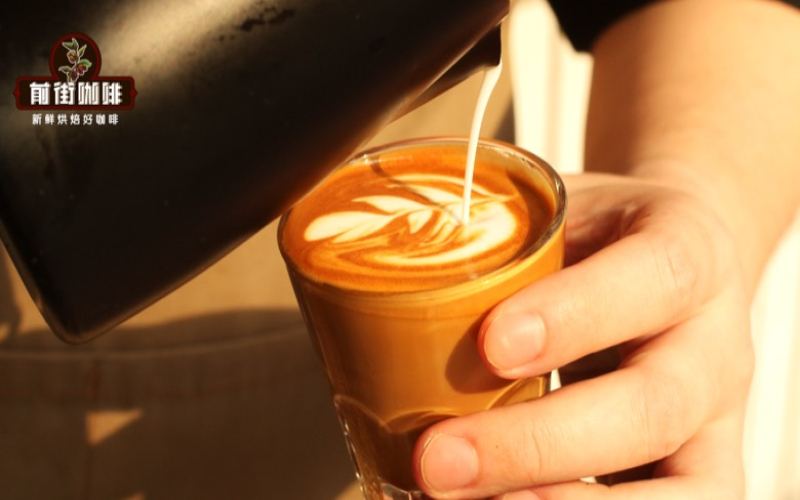
The requirements for beans differ between black coffee and milk coffee. Black coffee needs aroma and sweetness that can stand on their own, while milk coffee requires the espresso to have enough concentration and body to retain a clear flavor after milk is added. Deciding first whether you'll add milk to the cup, then choosing the style of beans, will make it easier to find a suitable one. [more…]
SOE Coffee Beans: Dark Roast or Light Roast Recommendation: How to Pair Equipment, Parameters, and Bean Flavor
The same bean can perform noticeably differently in different brewing devices. Pour-over emphasizes aroma and clarity, espresso machines highlight intensity and sweetness, and a moka pot requires a balance of pressure, heat, and coffee bed. Bean selection cannot be separated from the brewing device, and the parameters should also be adjusted according to the roast level of the beans. The key to espresso extraction lies in the dose, grind [more…]

How to Choose Coffee Beans for Cold Brew: How Equipment, Parameters, and Bean Flavors Work Together
The same beans placed in different brewing devices will show noticeable changes in performance. Pour-over places more emphasis on aroma and clarity, espresso machines emphasize intensity and sweetness, while the moka pot requires balancing pressure, heat, and the coffee bed. Bean selection cannot be separated from the brewing device, and parameters must also be adjusted accordingly based on the beans' roast level. Cold brew or ice drip's low-temperature extraction will [more…]
Why do coffee shops prefer blend beans? Understanding the formula logic in one article
Walk into any serious coffee shop, and what's loaded in the espresso machine is almost always a blend. Why, when there are so many specialty single-origin beans available, do they insist on blends? Today we'll explain the ins and outs of blend beans all at once. What exactly is a blend made of? A blend is simply mixing coffee beans from different origins and with different flavor profiles in certain proportions. [more…]
Discussing Commercial Espresso from a Menu Structure Perspective: How a Shop Should Establish Its Base Bean
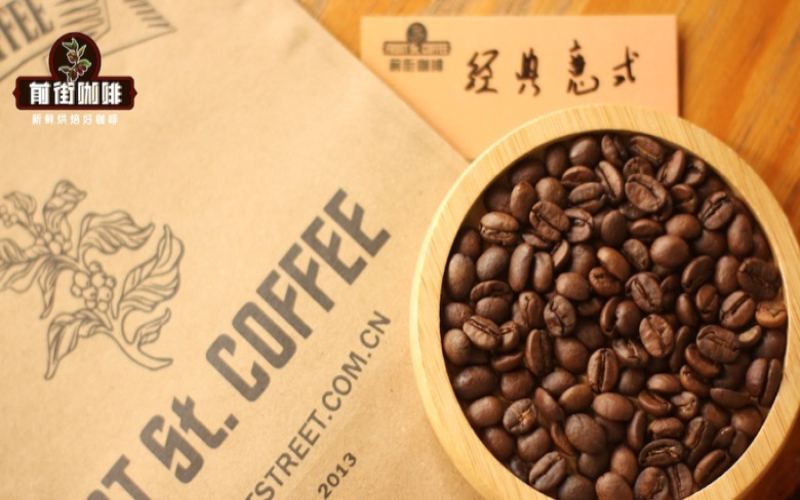
Looking at a coffee shop's bean list tells you a lot about how that shop thinks. Some shops have very long lists, packed with single origins, blends, and limited releases; others carry only one or two espresso beans year-round, yet make every cup solid. For most cafes, the core of a commercial espresso bean list isn't quantity—it's staying power—one [more…]
Pour-over coffee brewing tutorial | How can coffee beginners learn pour-over coffee from scratch? What coffee equipment is essential for self-learning pour-over coffee?
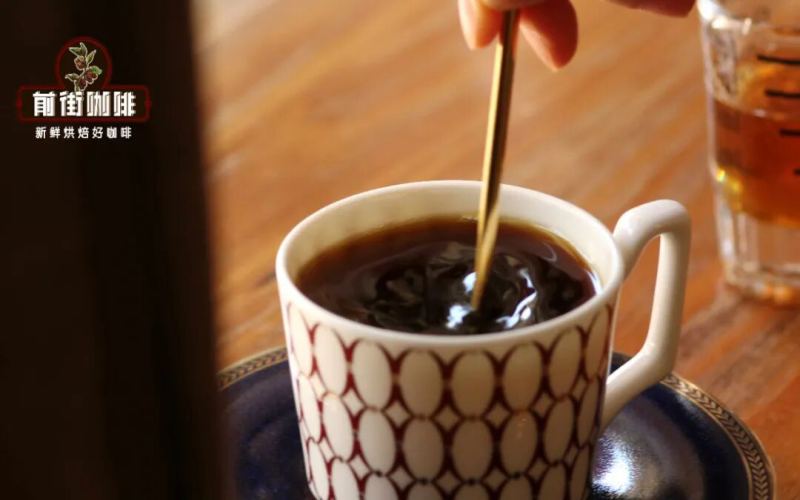
Admittedly, when it comes to brewing coffee, different people hold completely different views. In the eyes of the no-frills "veteran coffee drinkers," making a cup of coffee takes only three steps: grind the beans - dump the grounds - pour water, and once it finishes dripping, you can drink it. Any extra step feels like a waste of time; but if you start from the perspective of a café that needs to ensure consistent output, for example [more…]
An Inland Gem of the Indochinese Peninsula: The Complete Story of Lao Coffee from Colonial Introduction to Modern Production Regions
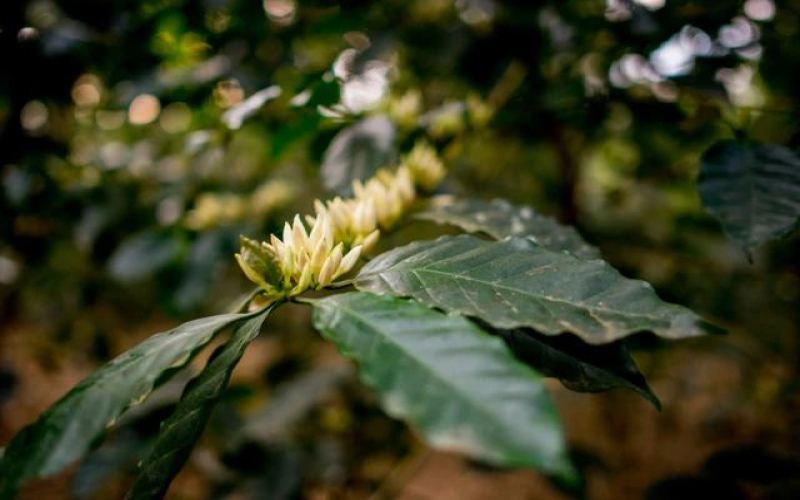
In the Asian coffee landscape, Indonesia's Mandheling and Vietnam's massive output often dominate the conversation, while the coffee story of landlocked Laos is rarely mentioned. This country, bordering China, Vietnam, and Thailand, nurtures a mild and smooth coffee flavor thanks to the high altitude, abundant rainfall, and volcanic soil of the Bolaven Plateau. From the introduction of Typica and Bourbon during the French colonial period, to the shift toward Robusta after war and disease, and now to a diverse landscape where Arabica accounts for one-third, Lao coffee has weathered a century of ups and downs. This article will walk you through the historical trajectory, core production regions, and current state of the Lao coffee industry, along with relevant recommendations from the Front Street brand. [more…]
Espresso Blend Coffee Bean Recipes | Why Are Espresso Beans Mostly Blends? What Grind Size for Espresso Beans?
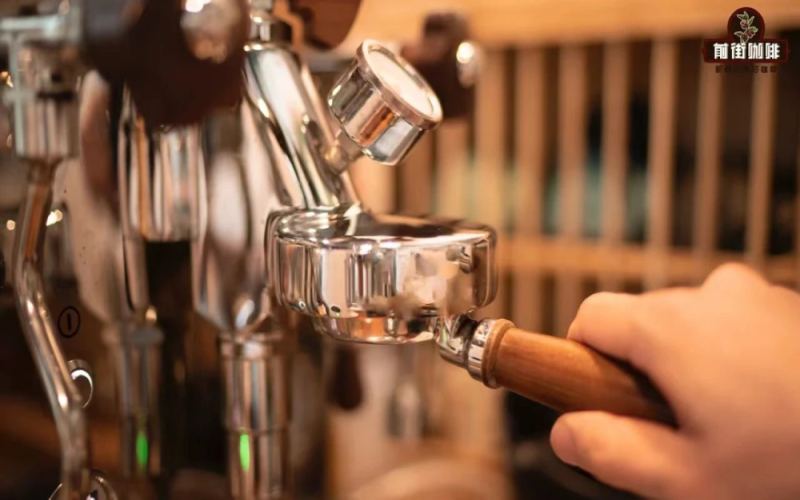
Until now, the vast majority of coffee shops still focus on espresso blends as their main product. The reason blended beans have become the mainstream of the market is not only that they can reduce the cost of raw materials, but also that they provide stable extraction for daily output and, as much as possible, ensure the flavor of drinks based on espresso. Simply put, coffee shops choose blends in order to [more…]
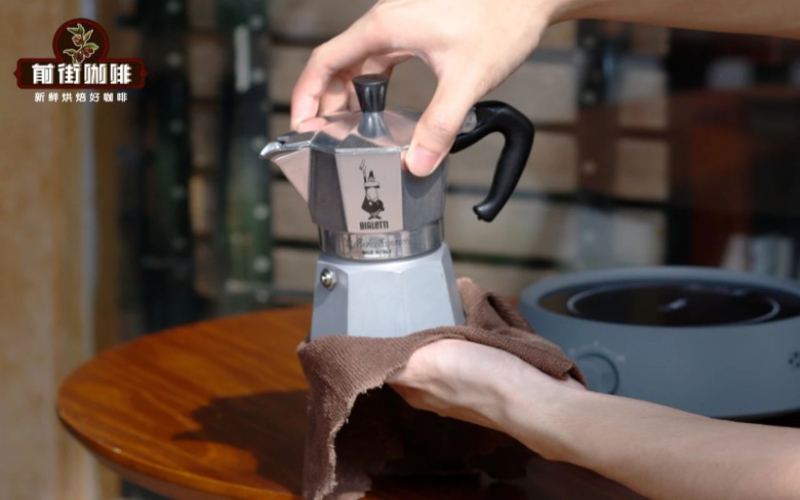
How to Choose Single-Origin Coffee Beans for a Moka Pot: Flavor Adjustment from Grind to Water Temperature
Brewing the same coffee beans with pour-over, an espresso machine, and a moka pot respectively makes the differences obvious at a glance: pour-over wins in aroma and clarity, the espresso machine wins in strength and sweetness, while the moka pot tests your control over pressure, heat, and the coffee bed. Bean selection should match the brewing device, and the parameters should follow the roast level. The moka pot belongs to steam pressure extraction [more…]